Electrical light control circuits are designed to control the operation of one or more lights by using different types of electrical switches. Depending on the required operation, switches such as SPST, SPDT, DPST, and DPDT can be used to connect, disconnect, or change the path of electrical current. Understanding these switch types and their connections provides a basic foundation for designing practical electrical and electronic control systems.
Here we will discuss some Basic types of Electrical Light control circuits using Different types of switches.
1-SPST ( Single Pole Single throw)
An SPST, or Single Pole Single Throw, is one of the simplest types of electrical switches used to control a circuit. It has two terminals and operates by either completing or breaking a single electrical path. When the switch is turned ON, the two terminals are connected, allowing electric current to flow and the connected light to glow. When the switch is turned OFF, the connection is broken, stopping the flow of current and turning the light off. Due to its simple ON and OFF operation, an SPST switch is commonly used in basic lighting circuits and other electrical and electronic applications where a single device needs to be controlled from one location.
Circuit Diagram of Single Pole Single Throw
2-Double Pole Single Throw circuit ( DPST )
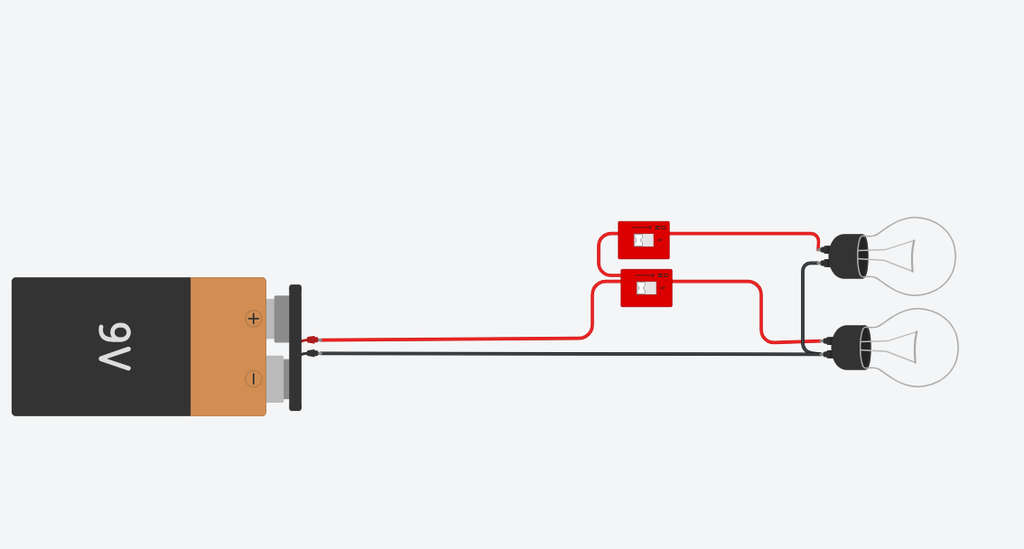
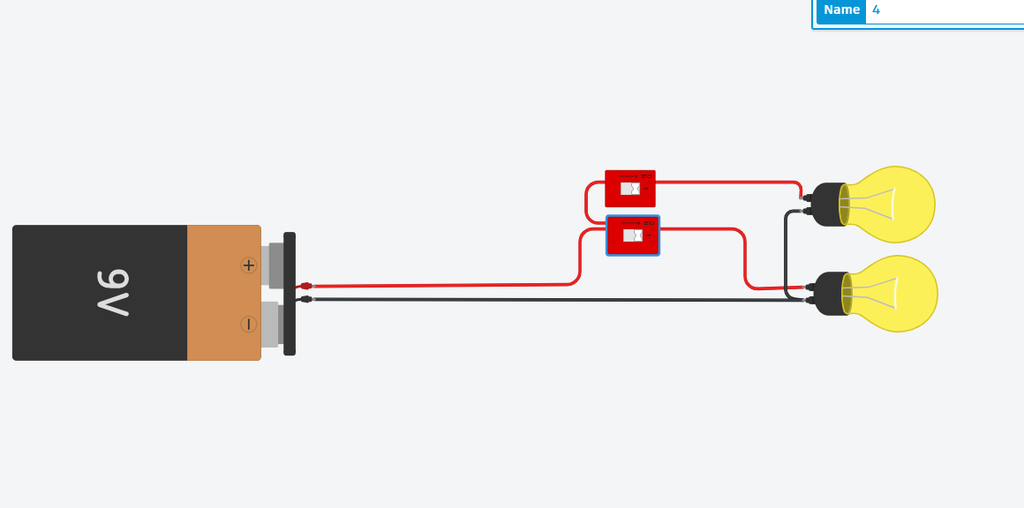
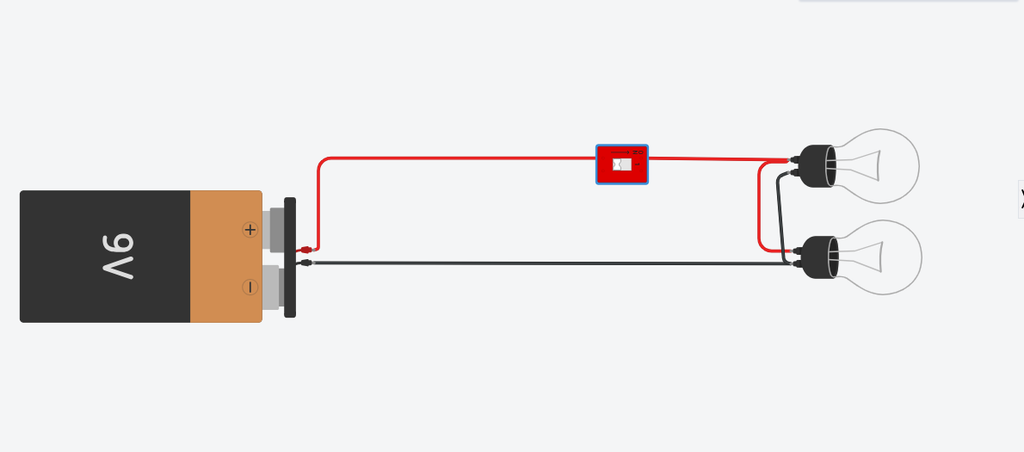
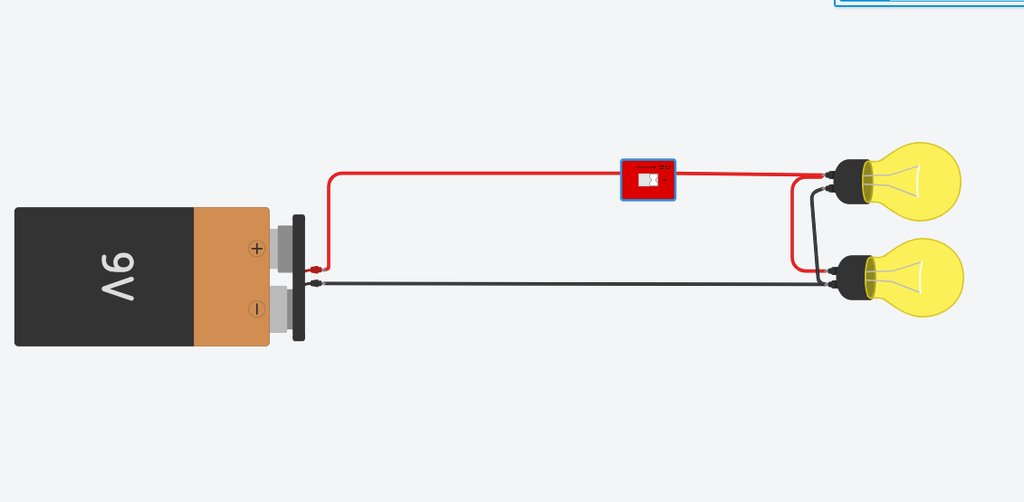
A DPST, or Double Pole Single Throw, is an electrical switch that can control two lights simultaneously using a single switching action. It consists of two poles, and each pole provides a simple ON and OFF connection. When the DPST switch is turned ON, both electrical paths are completed at the same time, allowing current to flow and both connected lights to glow. When the switch is turned OFF, both paths are disconnected together, stopping the flow of current and turning both lights OFF. DPST switches are useful when two separate lights need to be controlled together using a single switch.
Connection of DPST
Double Pole Double Throw (DPDT)
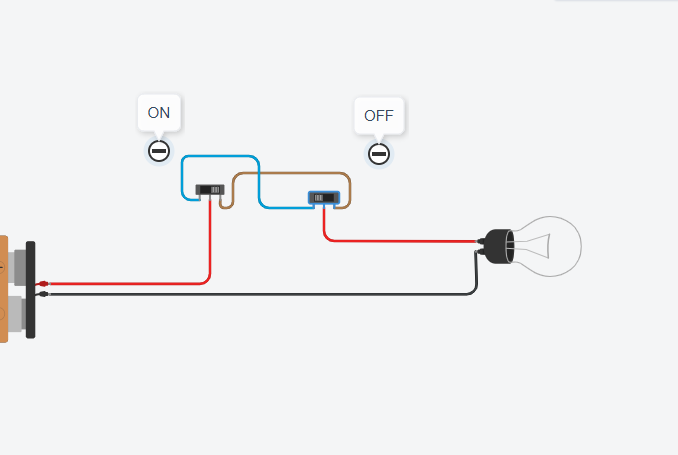
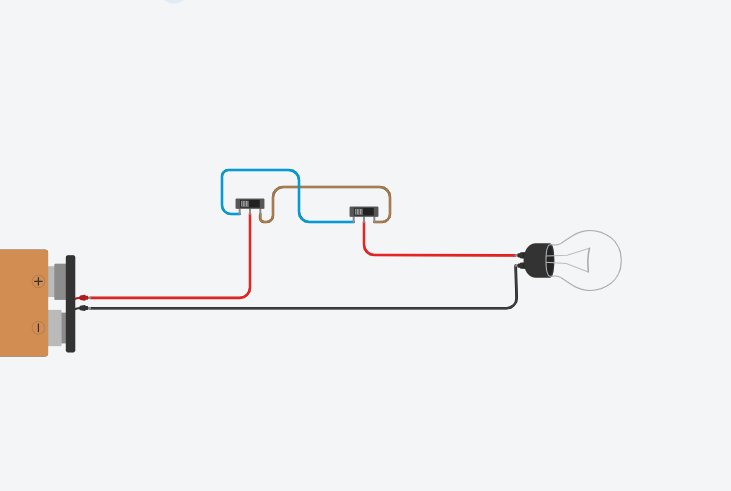
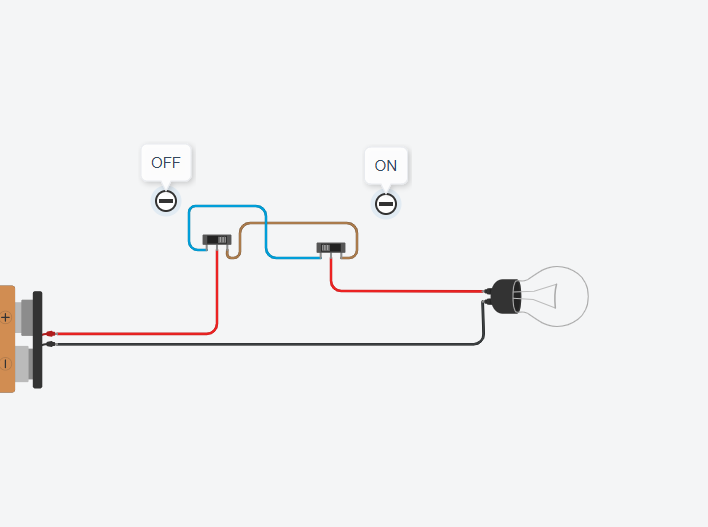
A DPDT, or Double Pole Double Throw, is an electrical switch that controls two separate electrical paths and allows each path to be connected to one of two possible outputs. It can be understood as two SPDT switches mechanically connected together and operated by a single switching action. The switch has two poles, meaning it can control two independent connections, while the double throw allows each pole to switch between two different paths. When the position of the DPDT switch is changed, both poles change their connections simultaneously. DPDT switches are commonly used in electrical and electronic applications where two connections need to be switched or changed at the same time, such as selecting between two operating paths or reversing the polarity supplied to a device.
Connection of DPDT Lighting Circuit
Parallel Switch Light Control circuit
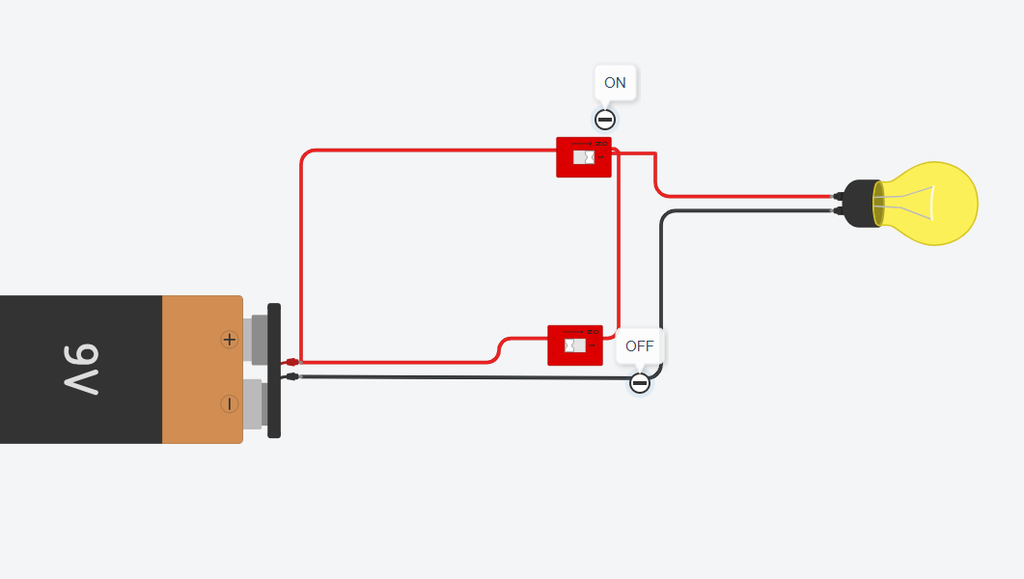
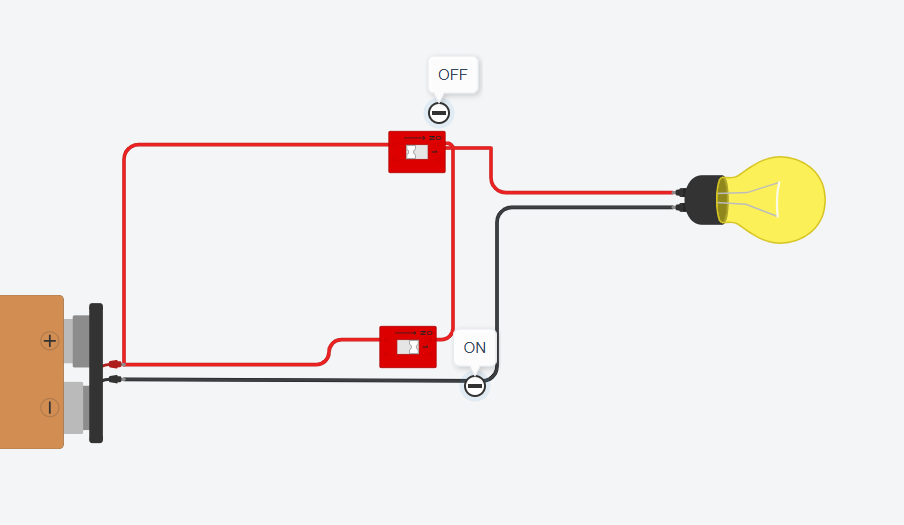
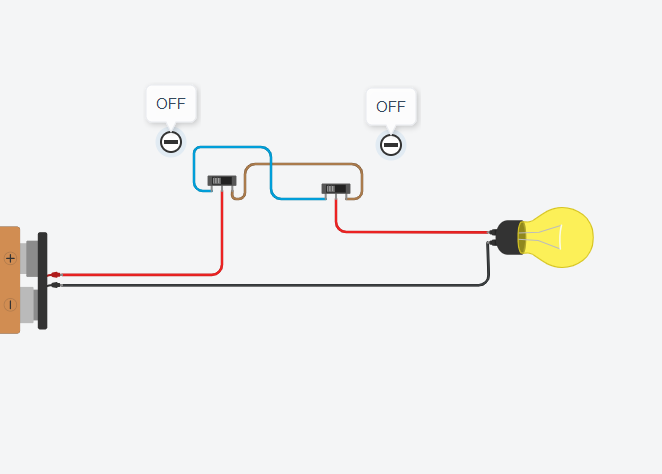
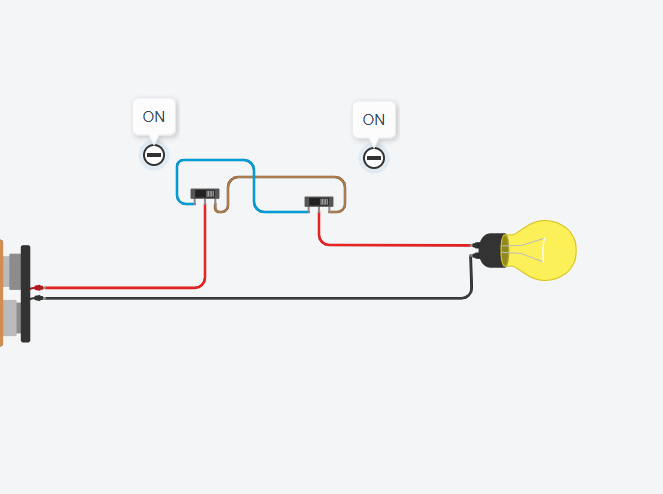
A parallel switch light control circuit is designed to control a single light using two or more switches connected in parallel. In this arrangement, the light receives power when any one of the switches is turned ON because each switch provides an alternative path for the flow of electric current. Therefore, the light will glow if Switch 1 is ON, Switch 2 is ON, or both switches are ON. The light turns OFF only when all the switches are in the OFF position and no current path is available. This type of connection operates according to OR logic and can be useful in electrical control systems where a light needs to be activated from more than one switch.
Connection diagram of Parallel switching Circuit
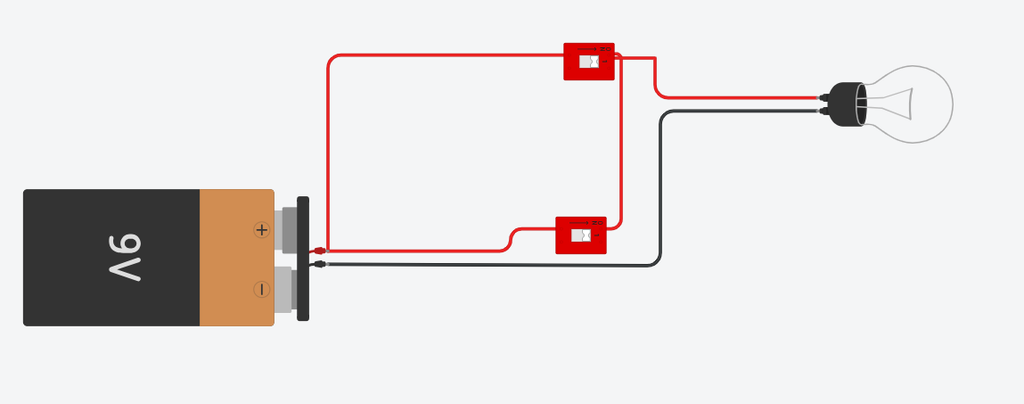
Working of Parallel Switch Connection